
Digitale Transformation
Integration älterer Systeme: Verbindung von AI mit Software, die älter als die Cloud ist
 Vincent Wahidi · Director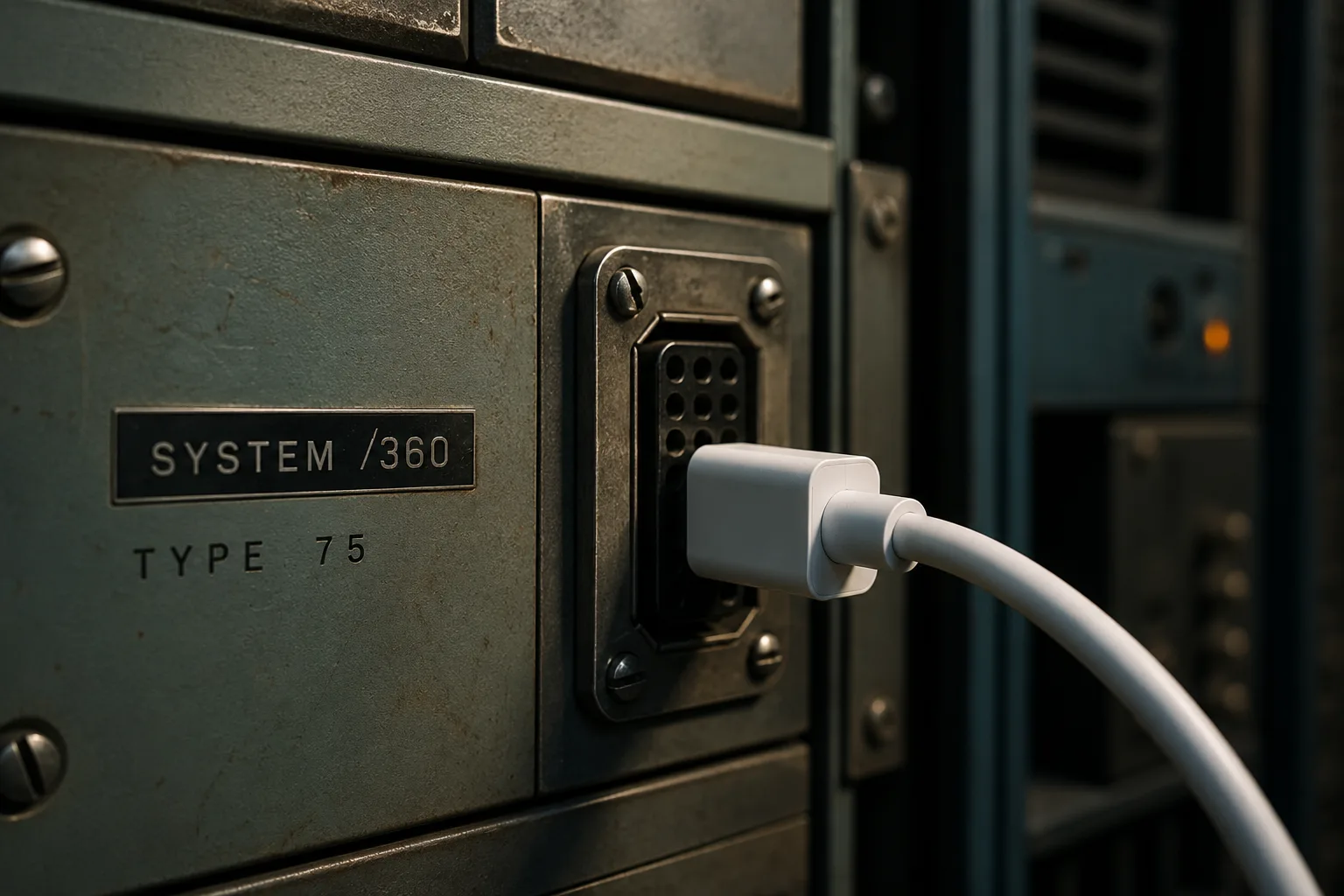
Auf dieser Seite
Die Integration älterer Systeme mit AI bedeutet, moderne Modelle und Automatisierung mit Software zu verbinden, die nie für sie entwickelt wurde, ohne diese Software herauszureißen. Sie tun dies, indem Sie eine Schicht um das alte System herum hinzufügen, anstatt es zu ersetzen: Stellen Sie seine Daten über einen API oder Adapter bereit, leiten Sie Anforderungen über Middleware weiter, die zwischen Alt und Neu übersetzt, und migrieren Sie jeweils eine Funktion. Das alte System läuft weiter. Der AI liest daraus, schreibt darauf zurück und arbeitet mit einer sauberen Schnittstelle, anstatt den Originalcode zu berühren. Es ist zwar langsamer, dass man das Gefühl hat, fertig zu sein, als wenn man es neu schreibt, aber es birgt weitaus weniger Risiken, liefert den Wert in Wochen statt in Jahren und ermöglicht es Ihnen, jederzeit mit etwas aufzuhören, das bereits funktioniert. Die meisten Systeme, die älter als die Cloud sind, können auf diese Weise verbunden werden, selbst wenn der Quellcode schlecht dokumentiert ist oder teilweise verloren geht.
Warum nicht einfach das alte System neu schreiben?
Weil Umschreibungen dazu führen, dass Budgets sterben. Ein System, das das Unternehmen seit fünfzehn Jahren leitet, kodiert Tausende kleiner Entscheidungen, Randfälle und stillschweigender Lösungen, die niemand aufgeschrieben hat. Eine Neufassung muss sie alle neu entdecken und findet in der Regel die schlechtesten in der Produktion.
Integration behandelt das alte System als eine Tatsache, nicht als einen Fehler. Das Ziel besteht nicht darin, den Legacy-Code zu bewundern oder ihn grundsätzlich zu ersetzen. Es geht darum, moderne Fähigkeiten mit dem geringsten Risiko dagegen einzusetzen. Sie verpacken das Vorhandene, beweisen den Wert eines Ausschnitts und entscheiden erst dann, ob sich eine tiefgreifendere Änderung lohnt. Oftmals ist dies nicht der Fall, und das alte System verrichtet hinter einer saubereren Front einfach seine Arbeit weiter.
Was sind die wichtigsten Integrationsmuster?
Es gibt eine Handvoll Muster, die die meisten Fälle abdecken. Die Wahl des richtigen hängt davon ab, wie das alte System seine Daten offenlegt und wie viel Sie darauf zugreifen dürfen.
| Muster | Was es tut | Wenn es passt |
|---|---|---|
| API-Wrapper | Platziert einen modernen API vor dem alten System, damit andere Software sauber mit ihm kommunizieren kann | Das System verfügt über eine benutzerfreundliche Schnittstelle, auch eine umständliche, die Sie |
| Adapter | Übersetzt zwischen dem Format des alten Systems und dem Format, das Ihr AI erwartet | Daten sind erreichbar, aber in einer Form, die nichts Modernes versteht |
| Middleware/Integrationsschicht | Ein Dienst, der zwischen Systemen sitzt und Nachrichten weiterleitet und umwandelt | Mehrere Systeme müssen miteinander kommunizieren, oder Sie möchten, dass Logik und Protokollierung an einem Ort hinzugefügt werden |
| Lesen auf Datenbankebene | Liest direkt aus der zugrunde liegenden Datenbank, wenn keine Schnittstelle vorhanden ist | Die Anwendung ist geschlossen, aber der Datenspeicher ist erreichbar und stabil |
| Datei- oder Batch-Brücke | Tauscht Daten über geplante Dateien oder Exporte aus | Das System spricht nur in nächtlichen Exporten oder Dateien mit festem Format |
In der Praxis kombiniert man diese. Eine gängige Form ist ein Adapter, der die Legacy-Datenbank liest, eine Middleware-Schicht, die die Daten bereinigt und validiert, und ein moderner API, den der AI aufruft. Der AI sieht das alte System nie direkt. Es sieht die von Ihnen erstellte Schnittstelle, was bedeutet, dass Sie später ändern können, was sich hinter dieser Schnittstelle befindet, ohne dass irgendetwas davor beschädigt wird.
Wie verbindet man AI, ohne dass das, was bereits läuft, kaputt geht?
Der sichere Weg besteht darin, etwas hinzuzufügen, nicht zu ändern. Das alte System sollte nicht wissen, dass AI existiert.
- Kartieren Sie die Nähte. Finden Sie jeden Ort, an dem das Altsystem bereits Daten ein- oder ausgibt: eine Datenbank, ein Exportauftrag, ein Bericht, ein alter API. Das sind Ihre Verbindungspunkte.
- Lesen Sie, bevor Sie schreiben. Beginnen Sie mit schreibgeschütztem Zugriff. Lassen Sie den AI die Ausgabe beobachten und produzieren, bevor eine Person sie überprüft, bevor sie etwas im Quellsystem ändern darf.
- Erstellen Sie die Schnittstellenschicht. Platzieren Sie einen Adapter oder API davor, damit AI mit einem sauberen Vertrag und nicht mit den alten Interna arbeitet. Dies ist die Grenze, die Sie schützt.
- Schatten zuerst. Führen Sie den neuen Pfad neben dem alten aus und vergleichen Sie die Ergebnisse, ohne sie zu beeinflussen. Sie erfahren, wo das Modell und die Altdaten nicht übereinstimmen, obwohl nichts auf dem Spiel steht.
- Schreibvorgänge für ein Slice aktivieren. Lassen Sie den AI für eine einzelne Aufgabe mit geringem Risiko auf das alte System zurückschreiben. Protokollieren Sie jede Änderung, damit sie nachverfolgt und rückgängig gemacht werden kann.
- Behalten Sie einen Weg zurück. Jeder Schreibpfad benötigt einen Ausschalter und einen Prüfpfad. Wenn die Integration nicht funktioniert, greifen Sie ohne Datenverlust auf den alten Prozess zurück.
So sieht Systemintegration und Dienste in der Praxis aus. Bei der Arbeit geht es weniger um clevere Modelle als vielmehr um disziplinierte Grenzen: eine saubere Schnittstelle, zuerst schreibgeschützt, vollständige Protokollierung und ein Rollback, das tatsächlich funktioniert.
Sollten Sie alles auf einmal oder in Slices migrieren?
Fast immer in Scheiben. Bei einem Big-Bang-Cutover müssen Sie darauf vertrauen, dass alles an einem einzigen Tag funktioniert, und es gibt keine Beweise, bis dieser Tag kommt. Durch das Slicing wird aus einem großen Einsatz eine Reihe kleiner, überprüfbarer Einsätze.
Ein Slice ist eine einzelne Funktion mit einem klaren Vorteil: ein Bericht, ein Genehmigungsschritt, ein Datenfeed. Sie verbinden den AI mit diesem Slice, testen ihn im Live-System und lassen ihn laufen, bevor Sie den nächsten anfassen. Das alte System behält die Kontrolle über alles, was Sie noch nicht migriert haben. Wenn ein Slice ausfällt, ist der Explosionsradius eine Fähigkeit, nicht das gesamte Unternehmen.
So bleibt das Projekt auch ehrlich. Jeder Slice erzeugt ein Ergebnis, das Sie messen können: eine Verzögerung wurde entfernt, ein manueller Schritt wurde gelöscht, eine Fehlerklasse wurde geschlossen. Wenn sich die Scheiben nicht mehr auszahlen, hören Sie auf. Sie halten niemals eine halb fertige Neufassung in der Hand, die nichts bewirkt, bis sie abgeschlossen ist. Weitere Informationen darüber, wann sich diese Art von Engagement lohnt, finden Sie unter AI-Beratung in Zypern.
Der praktische Imbiss
Sie müssen sich nicht zwischen einem alten System, das Sie zurückhält, und einer Neufassung entscheiden, die Sie möglicherweise in den Ruin treibt. Wickeln Sie das alte System in eine saubere Schnittstelle ein, verbinden Sie den AI mit dieser Schnittstelle und migrieren Sie jeweils ein Slice mit Lesevorgängen vor Schreibvorgängen und einem von Ihnen getesteten Rollback. Beginnen Sie mit der Scheibe, die am meisten schmerzt und die Sie am sichersten berühren können. Beweisen Sie es, messen Sie es und fahren Sie dann mit dem nächsten fort. Das Altsystem läuft die ganze Zeit weiter, und genau darum geht es.
Vincent Wahidi
Autor
Vincent Wahidi is the director of Encelyte, a computer engineer who builds production AI, automation, and custom software for enterprises across Cyprus and the wider region. He writes the strategy, cost, and decision-maker pieces himself.
Als Nächstes lesen
Digitale Transformation für Schifffahrts- und maritime Unternehmen in Zypern
Haben Sie ein Problem, das es zu lösen lohnt?
Sagen Sie uns, was Sie bauen oder reparieren. Wir antworten innerhalb eines Werktags mit einem klaren nächsten Schritt.