
AI consulting
AI for law firms and corporate service providers
 Huygens · Office cat, Encelyte Research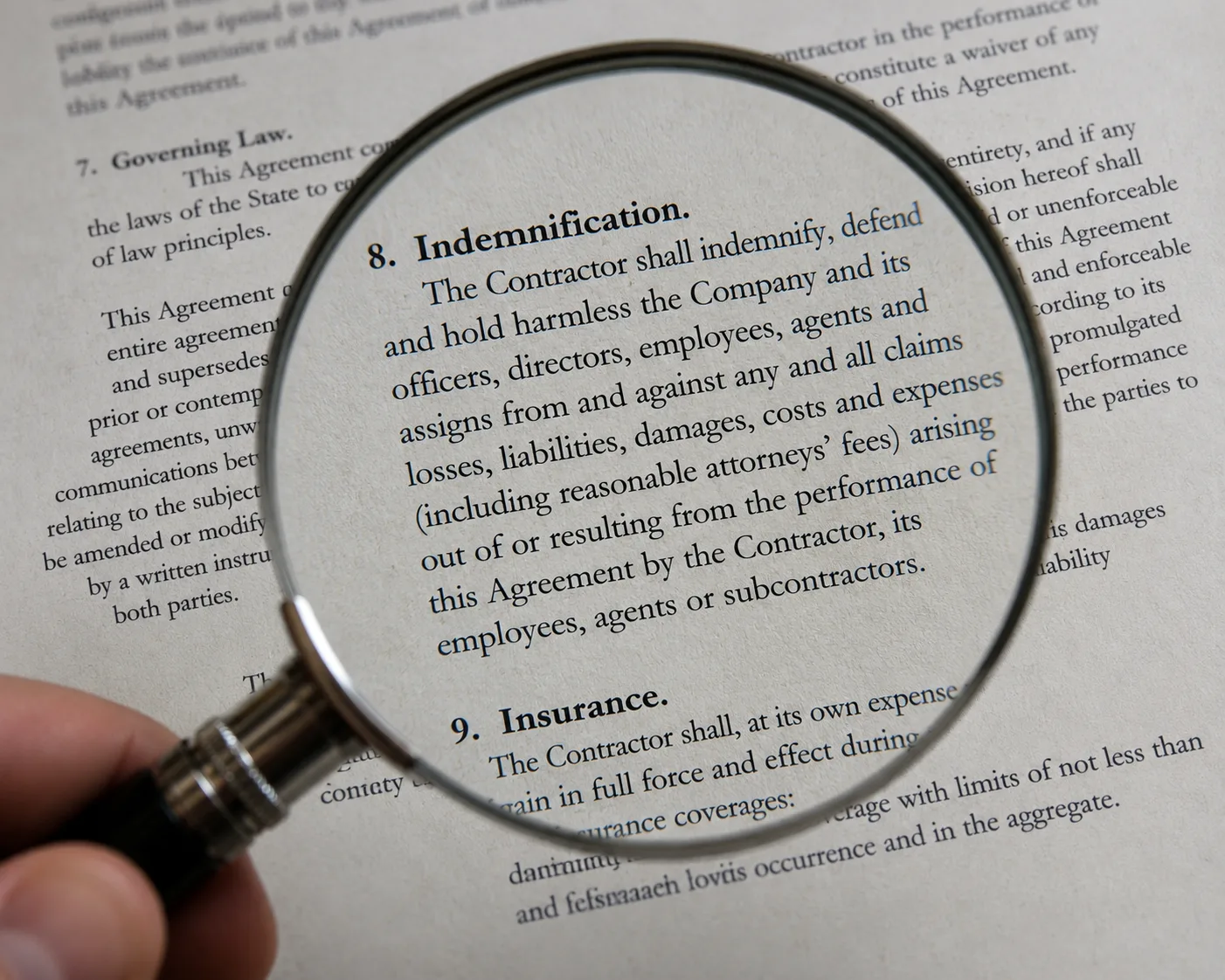
On this page
Legal and corporate-services work is built on reading, and that is precisely why AI is tempting and precisely why it is risky. Cyprus has a large legal and fiduciary sector, much of it document-heavy corporate, trust, and compliance work. The firms doing it well are not asking whether AI can read a contract. They are asking where a machine reading the contract genuinely saves time, and where a machine getting it wrong would be a professional problem.
Where AI earns its place
The reading and the searching are where the value is. Reviewing a long contract for the clauses that matter, summarising a bundle before a meeting, pulling the key terms out of a hundred agreements during due diligence, finding the precedent or the earlier matter that half a memory says exists. These are tasks where a lawyer's time is spent on retrieval rather than reasoning, and where a good system gives that time back. Used this way, AI is a research assistant that never gets tired, working under a lawyer who still decides what it means. This is the same document-reading capability we build under document AI, and whether to let AI read your contracts goes deeper on the trade-offs.
Where it hurts, and the failure everyone has now heard about
Legal advice is a judgement a qualified person is accountable for, and a model cannot carry that accountability. The specific failure to design against is the confident fabrication: language models can invent citations, cases, and clauses that read perfectly and do not exist. This is not hypothetical; courts in several countries have sanctioned filings that cited AI-invented cases. A system used in legal work has to be grounded in real sources you control and checked by a person, never trusted to author on its own.
Confidentiality and privilege are not optional
Client matters are confidential and often privileged, and that changes which tools are acceptable. A hosted model that retains inputs, or a vendor whose data handling is vague, is a confidentiality breach waiting to happen. Understanding where your data goes when you use AI, and keeping client material under your control and in the right jurisdiction, is a precondition for using AI in legal work, not an afterthought.
What does a safe first project look like?
Picture an illustrative Nicosia firm with a heavy corporate-services book: hundreds of companies under administration, each with its own stack of resolutions, registers, agreements, and KYC files. The safest first project is retrieval, not drafting. Build a system that answers "which of our managed companies have a change-of-director resolution filed after this date" or "find every agreement with this counterparty" from documents the firm already holds, with every answer linking back to the source file. That project has three properties that make it a good opening move: it touches no legal judgement, a wrong answer is visibly wrong because the source is one click away, and it removes the kind of searching that eats associate hours without billing well. Drafting assistance and clause review come later, once the firm trusts how the system behaves on its own documents.
Before any tool is adopted, three questions belong in the engagement letter conversation. Where is client material processed and stored, and does it stay in a jurisdiction the firm can defend? Is anything the firm submits used to train someone else's model? And can the firm demonstrate, matter by matter, what the system read and what a person verified? A vendor with clean answers to all three is a candidate. A vendor who is vague on any of them is asking the firm to gamble its privilege obligations on someone else's data policy.
What good adoption looks like
Point AI at the reading, keep the lawyer as the author of every judgement, ground every answer in sources you can verify, and treat confidentiality as the first constraint rather than the last. Done that way, AI makes a legal or corporate-services team faster without putting its advice or its clients at risk. If you run a firm and want a clear read on where AI fits your practice safely, tell us what your work looks like.
Huygens
Author
Huygens is one of the Encelyte office cats. The cats sign our practical field guides, which are researched and reviewed by the Encelyte team from delivery work and primary sources.
Read next
Five signs your business is ready for AI consulting
Have a problem worth solving?
Tell us what you're building or fixing. We'll reply within one business day with a clear next step.