
Prädiktive Analysen
AI für Hotels und Tourismusbetriebe: mehr als der Chatbot
 Huygens · Office cat, Encelyte Research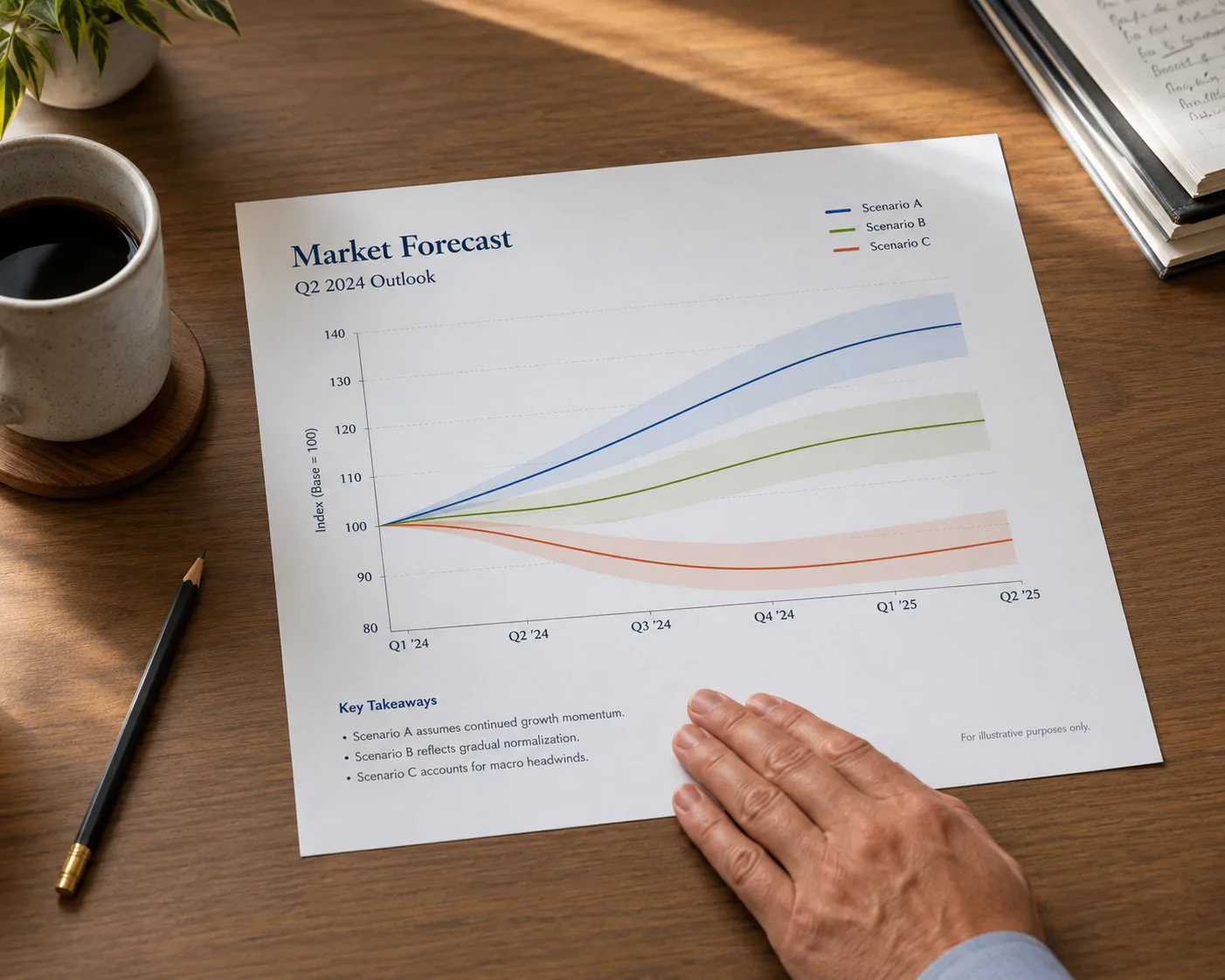
Auf dieser Seite
Tourismus ist einer der größten Wirtschaftszweige Zyperns, und Hotels wird AI in ihrer am wenigsten nützlichen Form verkauft: ein an die Website angeflanschter Chatbot. Ein gästeseitiger Chatbot ist das sichtbarste, was AI für ein Hotel tun kann, und eines der am wenigsten wertvollen. Die leisere, wertvollere Arbeit liegt im Backoffice, in den Entscheidungen, die ein Revenue Manager und ein Duty Manager täglich über Preis, Personaleinsatz und Bestand treffen. Genau dort bewegt AI, als Prognose statt als Gespräch eingesetzt, tatsächlich die Zahlen.
Die sichtbare AI ist der falsche Ausgangspunkt
Ein Chatbot, der die Frage „Wann ist Check-in" beantwortet, ist in Ordnung, verändert aber selten die Wirtschaftlichkeit eines Hotels, und schlecht umgesetzt verärgert er genau die Gäste, denen er helfen sollte. Damit zu beginnen ist ein verbreiteter Fehler: Es lässt sich leicht vorführen und schwer rechtfertigen. Die Entscheidungen, auf die es ankommt und die AI wirklich verbessern kann, drehen sich darum, Nachfrage vorherzusehen, nicht Fragen zu beantworten.
Wo Prognosen sich auszahlen
Ein Hotel steht und fällt damit, Zimmer zum richtigen Preis mit der richtigen Personalstärke im Dienst zu füllen. Liegt man bei der Nachfrage falsch, rabattiert man entweder Zimmer, die man zum vollen Preis hätte verkaufen können, oder man ist an einem ausgebuchten Abend unterbesetzt. Prognosen, die Historie, Saison, lokale Ereignisse, Flug- und Buchungsmuster sowie Vorlaufzeiten einbeziehen, können Preis-, Personal- und Bestandsentscheidungen so schärfen, wie es eine Tabellenkalkulation nicht kann. Das ist dieselbe Fähigkeit hinter unserer Arbeit im Bereich prädiktive Analysen, und sie ist Welten von einem Chatbot entfernt.
Warum es schwieriger ist, als Anbieter zugeben
Die touristische Nachfrage ist saisonal und schockanfällig, und genau das bringt naive Prognosen zu Fall. Ein Modell, das den Rhythmus des letzten Jahres gelernt hat, ist in der Woche nutzlos, in der eine Hitzewelle, eine gestrichene Fluglinie oder ein regionales Ereignis das Muster neu schreibt. Eine Prognose, die diese Ausnahmen ignoriert, ist schlechter als der Instinkt eines erfahrenen Managers, weil sie selbstsicher falsch liegt. Der Wert liegt nicht in einer Zahl auf einem Dashboard; er liegt in einer Prognose, die ehrlich genug über ihre eigene Unsicherheit ist, dass ein Manager tatsächlich danach handelt. Das ist der Unterschied zwischen Nachfrageprognosen, die die Realität überstehen, und einem Modell, das in einer Demo nur clever aussah.
Welche Daten brauchen Sie, damit Prognosen funktionieren?
Die ehrliche Voraussetzung ist unspektakulär: Ihre eigene Historie, in nutzbarem Zustand. Eine Prognose ist nur so gut wie die Aufzeichnungen, aus denen sie lernt, und die meisten Betriebe besitzen das Rohmaterial, ohne es zu wissen. Buchungsdaten mit Vorlaufzeiten, damit das Modell erkennen kann, wie weit im Voraus verschiedene Segmente buchen. Preishistorie, damit es Nachfrage, die weggefallen ist, von Nachfrage unterscheiden kann, die wegrabattiert wurde. Belegung pro Nacht, nicht pro Monat, denn Durchschnittswerte verbergen genau die Schwankungen, die Sie vorhersagen wollen. Stornierungsmuster, die sich je nach Kanal und Saison unterschiedlich verhalten. Liegen diese Daten verteilt auf ein Property-Management-System, einen Channel-Manager und eine von Hand gepflegte Tabelle, besteht das erste Projekt oft darin, sie zusammenzuführen, und diese Arbeit zahlt sich bereits aus, bevor ein Modell überhaupt läuft, weil sie dem Management ein einziges, wahrheitsgetreues Bild des Geschäfts gibt.
Wie würde ein erstes Projekt aussehen?
Nehmen wir eine beispielhafte Küstenhotelgruppe mit drei Betrieben und starker Sommerlastigkeit. Der falsche erste Schritt ist ein Plattformkauf. Der richtige ist eng gefasst: Belegung und Preis für einen Betrieb einige Wochen im Voraus prognostizieren und die Einschätzung des Modells mit dem vergleichen, was der Revenue Manager ohnehin getan hätte. Führen Sie beides eine Saison lang parallel. Wo das Modell gewinnt, übernehmen Sie es für diese Entscheidung. Wo der Manager gewinnt, finden Sie heraus, was er wusste, das die Daten nicht enthielten, denn das ist meist ein Signal, das es wert ist, eingespeist zu werden, ein lokaler Veranstaltungskalender, ein Reiseveranstaltervertrag, eine Routenänderung. Die Prognose verdient sich breitere Anwendung, indem sie öffentlich richtig liegt, neben dem Urteilsvermögen, das sie schärfen soll, nicht indem sie als Mandat aus einer Anbieterpräsentation daherkommt.
Wie gute Einführung aussieht
Überspringen Sie den Aushänge-Chatbot und beginnen Sie dort, wo das Geld liegt: Nachfrage gut genug prognostizieren, um Preise zu setzen und Personal danach einzuplanen, mit einem Manager, der erkennen kann, wann das Modell unsicher ist, und der es übersteuern kann. Behandeln Sie die Ausgabe als Entscheidungshilfe, nicht als Orakel. Wenn Sie Hotels oder einen Tourismusbetrieb in Zypern führen und AI auf die Entscheidungen richten möchten, die Ihre Saison verändern statt Ihre Website, teilen Sie uns mit, wie Sie heute planen, und lesen Sie, wie prädiktive Analysen Daten in Entscheidungen verwandeln.
Huygens
Autor
Huygens is one of the Encelyte office cats. The cats sign our practical field guides, which are researched and reviewed by the Encelyte team from delivery work and primary sources.
Als Nächstes lesen
AI-Beratung in Zypern: Was es ist, was es kostet und wann es sich auszahlt
Haben Sie ein Problem, das es zu lösen lohnt?
Sagen Sie uns, was Sie bauen oder reparieren. Wir antworten innerhalb eines Werktags mit einem klaren nächsten Schritt.